


Team Elevar


Millions of workers move across India’s cities and industrial corridors in search of better livelihoods. Yet high rents, informal housing and fragmented access to essential services often erode the value of migration for workers and the families who depend on them. Nia.one is building a full-stack continuity platform for this workforce. Through a single membership, it combines managed living, affordable meals, verified work opportunities, and financial tools that help members allocate wages, save, and remit money home. By connecting where workers live, how they earn, and how they manage their income, Nia helps make migration more stable, productive, and worthwhile.


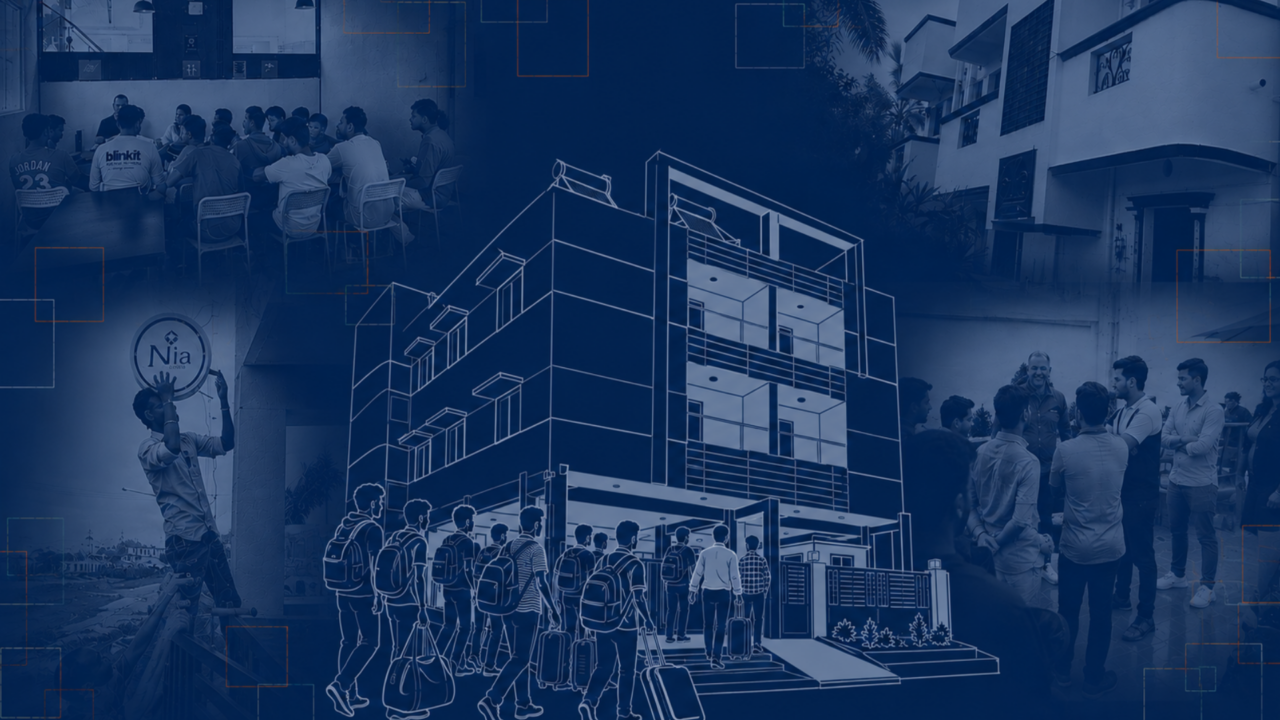
A migrant worker leaves home for one fundamental reason: to save more and send it back. Nia works only if more money reaches the family. That was the core argument we backed a year ago, and twelve months of execution have turned that thesis into proof. More importantly, it answers a question that is both commercial and deeply human: can Nia make leaving home worth it for millions of migrant workers?
Two decades with Entrepreneurial Households taught us that urban migration is a collective household decision. Workers in an industrial corridor stay tightly tied to home. What they earn and spend in the city decides what their families can afford back home: school fees, medical bills, old debt, and saving up to start or expand a local business.
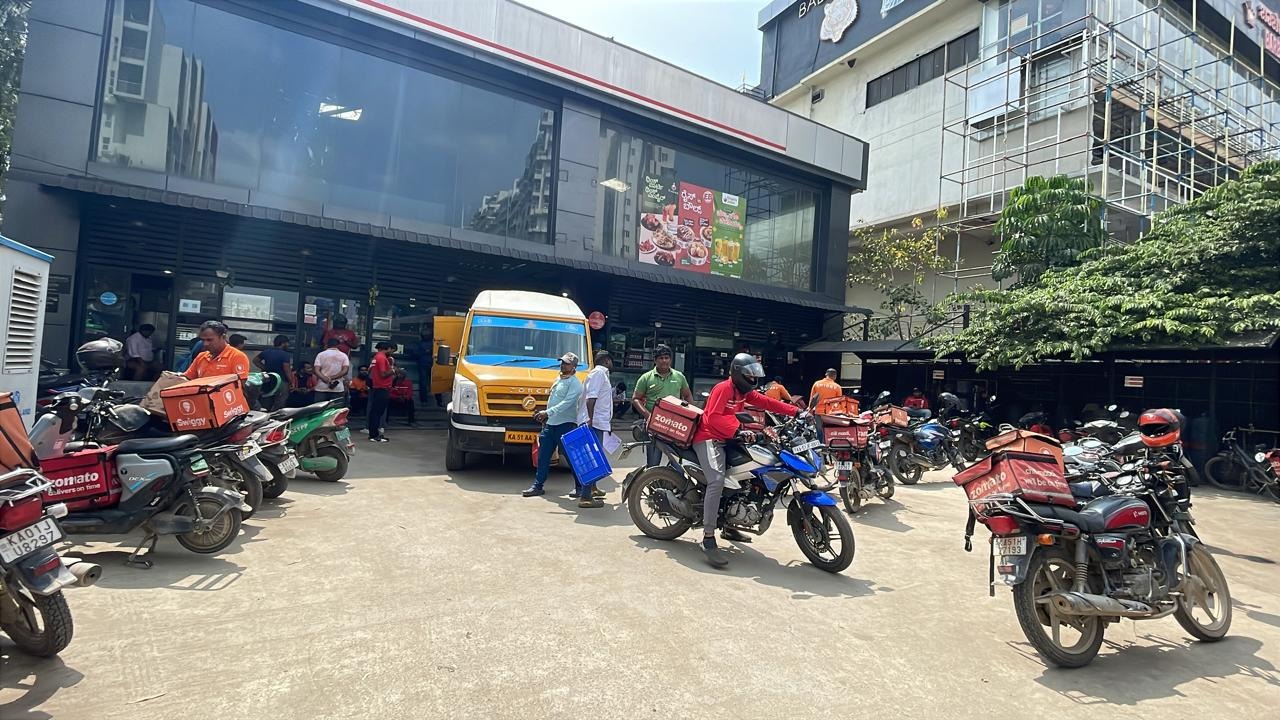
Workers land in an unfamiliar corridor with zero leverage and poor information, watching their savings erode every single day. Landlords demand two or three months of advance rent. Daily meals are expensive and unhealthy, long commutes eat into rest, and local shops mark up essentials. Staffing agencies treat job placement as a one-time transaction and walk away. The true business opportunity lies in co-opting these informal ecosystem players and building a structured bridge toward formalization.
Nia solves this starting with the ‘Nest’. A Nest is a managed bed within walking distance of the plant, bundled with two cooked meals a day, groceries sold on site, and job placement with an enterprise employer. There is no upfront advance; a worker pays around ₹2,000 for the month and moves straight in. Nia currently operates about 7,000 contracted Nests across four industrial corridors at roughly 92% occupancy, acquiring through living, retaining through work, and serving the wallet through essentials.
Nia runs the whole operation on an AI platform. Field staff, property managers, and plant coordinators all sit on it. Because the business depends on physical presence, operations and administration are the primary places technology needs to play. As an AI-native company, Nia offsets the capex-heavy risk a model like this normally carries, prevents operating expenses from ballooning, and scales responsibly.
The same system reaches the worker as Rafiki, an AI agent that runs on WhatsApp, where workers already spend their time. Rafiki acts as a personal guide, tracking four things: what workers earn, keep, save, and send home. These numbers have always sat with separate middlemen, none of whom saw all four. Nia organizes them into NiaBooks, a verified, portable record of reliability that travels with them across jobs and corridors.
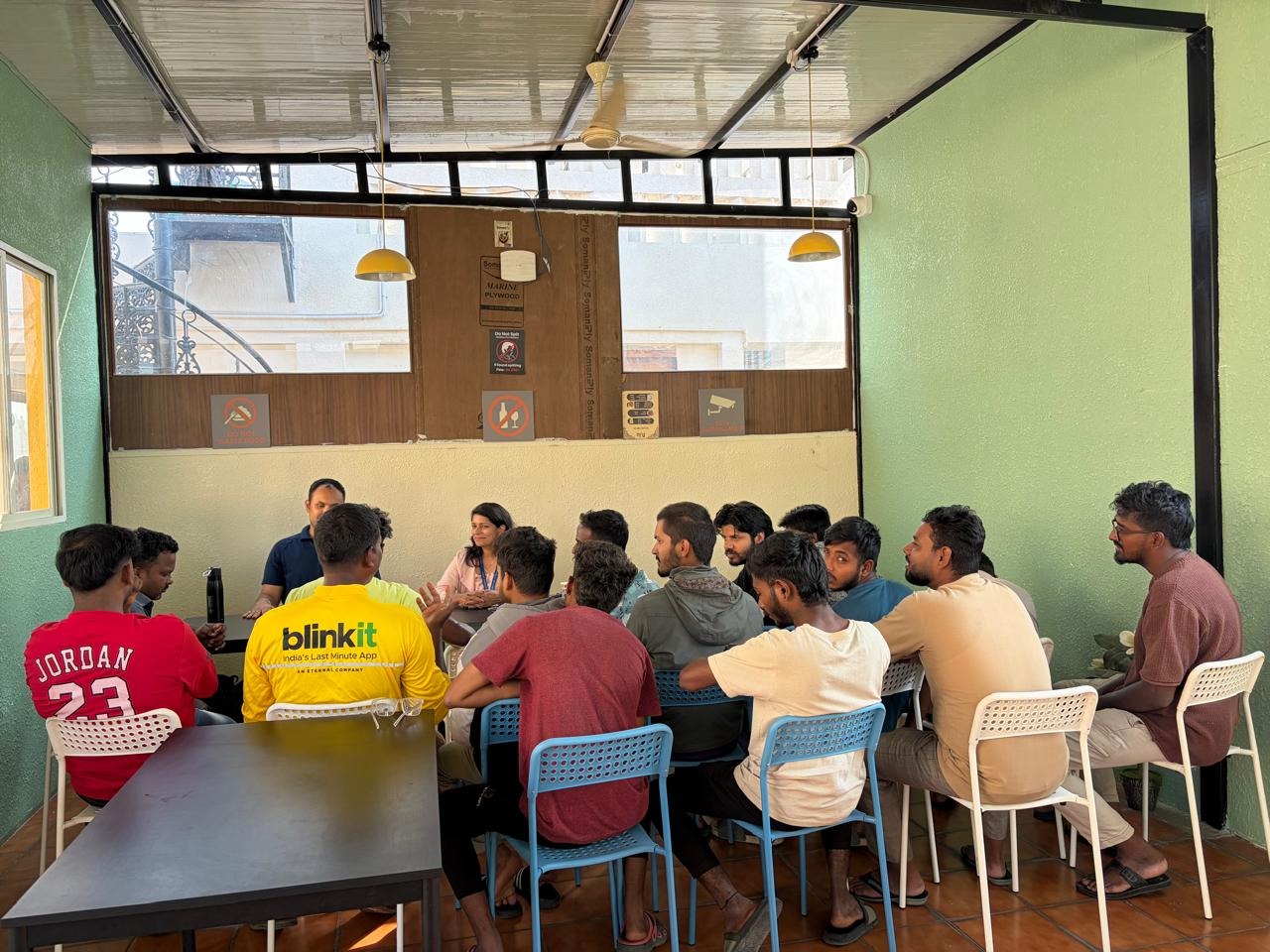
A year of data shows how this efficiency translates directly into worker economics. On a ₹15,000 monthly wage, a typical worker keeps roughly ₹8,500 after living costs. Inside a well-run Nest, that figure rises to ₹9,500. Sending an extra ₹1,000 home every month is the exact outcome workers are buying, and it is the reason they stay. Reframing worker churn as an infrastructure problem rather than an HR recruitment issue drives 72% member retention at month seven, compared to an industry benchmark in the mid-30s.
Living also anchors the worker cheaply, holding acquisition cost minimally and recovering it very quickly. Room supply scales by franchising local hostels and partnering with real estate developers. The denser a corridor gets, the cheaper it is to run. Daily essentials are fulfilled directly from brands with no inventory holding cost.
This feeds directly into a national macro imperative. Projections from the India Brand Equity Foundation (IBEF) estimate India’s manufacturing output will reach $1 trillion by 2030. Policy initiatives like the National Manufacturing Mission are accelerating capital deployment across major industrial corridors, yet factory yield and product quality depend entirely on workforce stability. When worker turnover is high, machinery sits idle, factory throughput drops, and enterprise operating costs inflate. Reliable workforce continuity is the critical utility Nia delivers to these manufacturing plants.
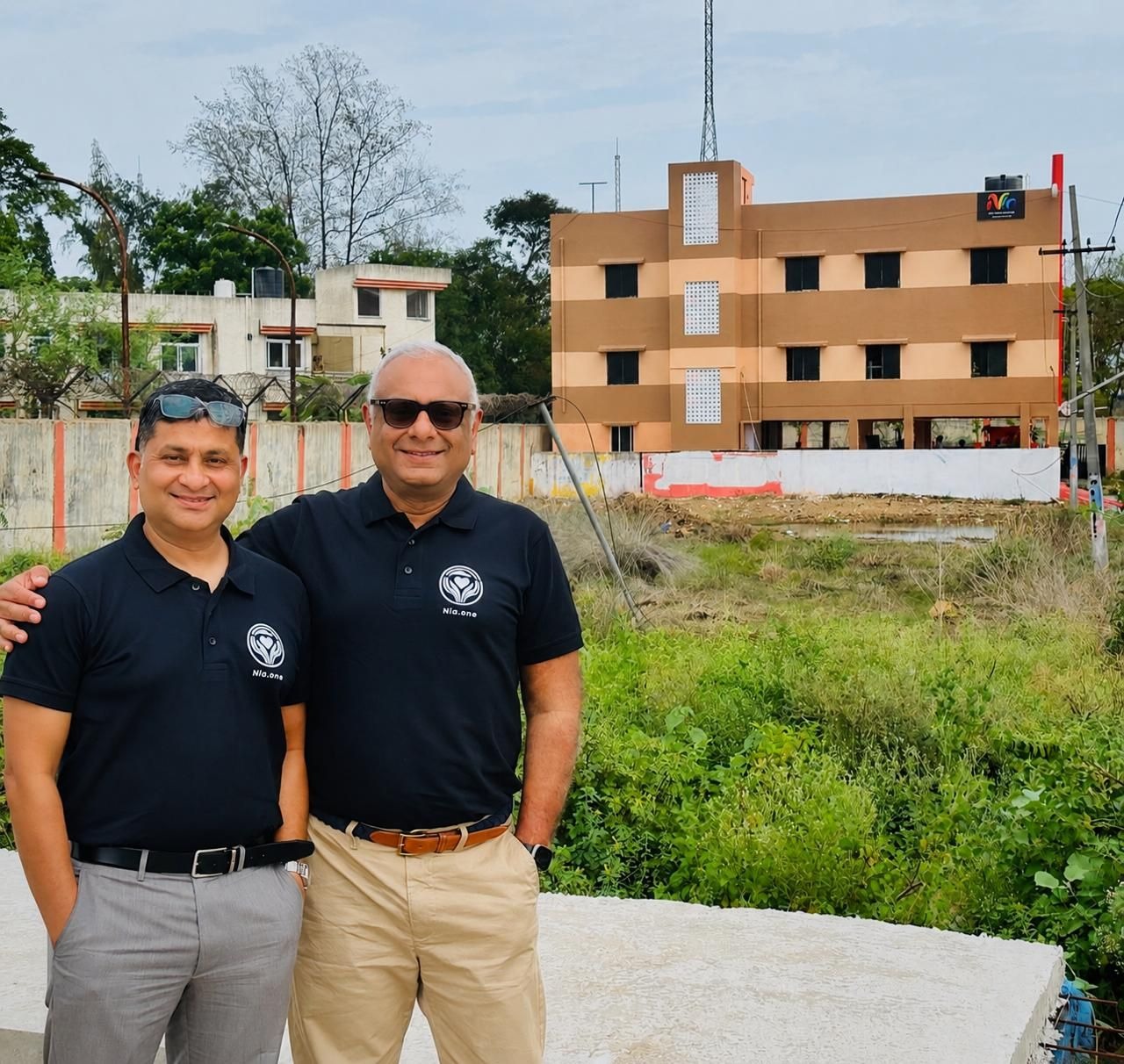
Co-founders Sachin Chhabra and Lt Col Pushkar Raj (Retd) first came into our office about two years ago. We had people in common, and they used none of them to get the meeting, and we appreciated that integrity. Both brought a deep seriousness of purpose and a sharp operational discipline, and their articulation of how to solve this problem resonated with us immediately. Sachin spent years at Unilever before a decade building supply chain and distribution ventures. Pushkar spent 21 years in the Army before leading operations at Ninjacart and building ventures alongside Sachin. They had built together before, and came back to execute at scale.
Over 150 million workers leave home to power India’s industrial hubs. Capital has poured into physical factories, but very little has gone into building the labor infrastructure for India’s industrial future. A year in, that remains the core gap Nia is proving it can close.
Sources & References