


Team Elevar

India’s engineering colleges enrol millions of students each year, but for families in Tier 2 and 3 towns, it results in a degree that does not easily convert into a relevant job. Outdated syllabi, a shortage of industry-experienced faculty, and no practical training leave graduates short of what employers are actually hiring for. byteXL closes this gap by embedding itself inside the degree; rebuilding curriculum with the college, deploying a network of 2,000+ practitioner-trainers, and tracking every student’s progress to placement on its Nimbus platform. For Entrepreneurial Households investing in their child’s education, this turns four years of college into a first job and salary that compounds.


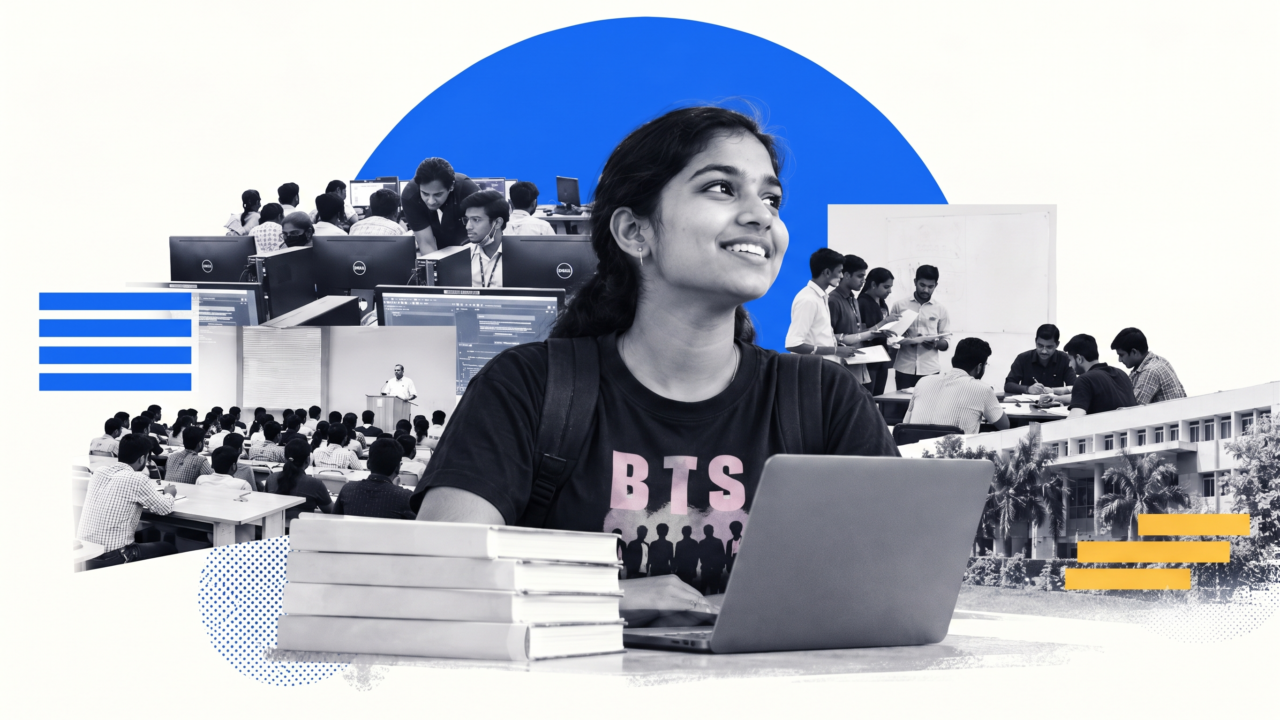
To understand where our investment thesis for byteXL starts, step onto a field visit of ours in Thulluru. Inside an Entrepreneurial Household there, we met a high school senior named Saanvi wearing a BTS T-shirt, streaming global media on one of the 7 member-family’s ten smartphones, and inspired by young entrepreneurs like Ananya Birla to build a career on her own terms. Sitting at the dinner table alongside her grandfather, she embodies a profound generational shift: deep rural youth are digitally native, highly ambitious, and backed by families willing to stretch their resources for higher education.
For an Entrepreneurial Household, funding an engineering degree represents a monumental family effort. It is the primary lever through which a family attempts to secure a stable income and enable long-term income generation, often for the first time. Education is the single category where these households willingly spend past their means to rewrite their economic trajectory.
Yet, the central flaw in the system is that people recognize the gap between higher education and income generation only too late. The reality check arrives in the seventh semester during placement season, when major recruiters skip the campus entirely. Or, if she is hired, it quickly becomes clear that the system has failed her, leaving capable students with an education that prepares them neither for the interview nor for the actual work. By that point, tuition fees are paid, household capital is spent, and four critical years have elapsed.
This gap is an old story, but generative AI has given it new urgency. While AI is rapidly absorbing entry-level coding tasks, platforms tout AI tutors and online courses as the fix. Yet technology alone is not the breakthrough. Traditional edtech solutions attempt to address this failure retroactively, after the family’s financial resources are already exhausted, forcing households to pay twice for employability.
What makes byteXL compelling is that it was designed from the bottom up to solve this gap. They embed directly inside the four-year program on the university’s timetable, integrating its curriculum into accredited, credit-bearing coursework from day one.
By doing so, byteXL aligns incentives across three distinct levels:
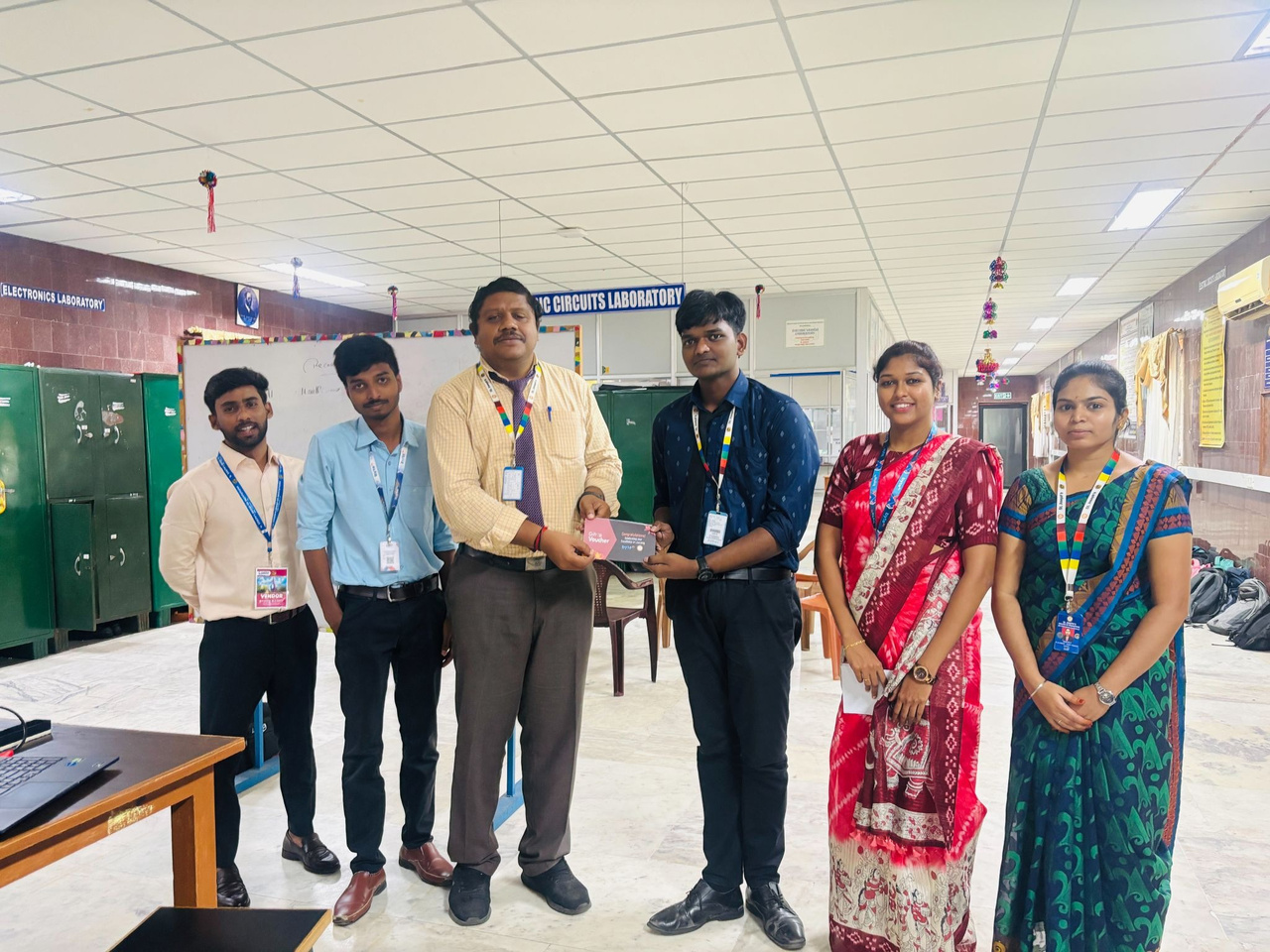
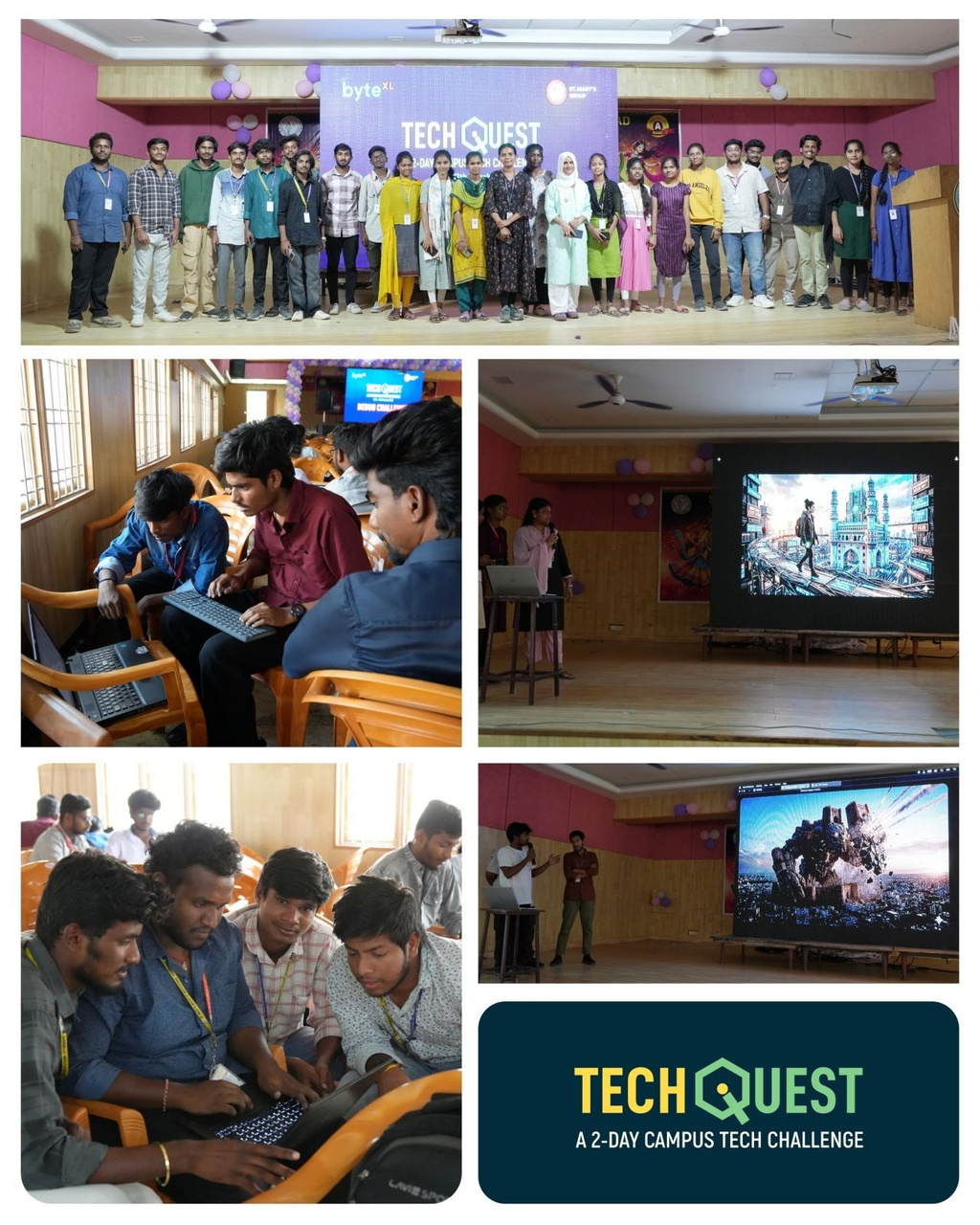
From an underwriting perspective, byteXL’s greatest innovation is how it transforms the hiring ecosystem for regional colleges. Verifiable proof of capability via Nimbus and a custom built hiring platform for employers fundamentally changes who gets evaluated for jobs beyond Tier 1/2 cities. The ultimate validation of this model is the shift in household economics: graduates completing byteXL programs secure starting offers averaging INR 7+ lakh (USD 7,300+), compared to INR 4+ lakh (USD 4,100+) prior to byteXL’s arrival, permanently elevating the baseline for family mobility.
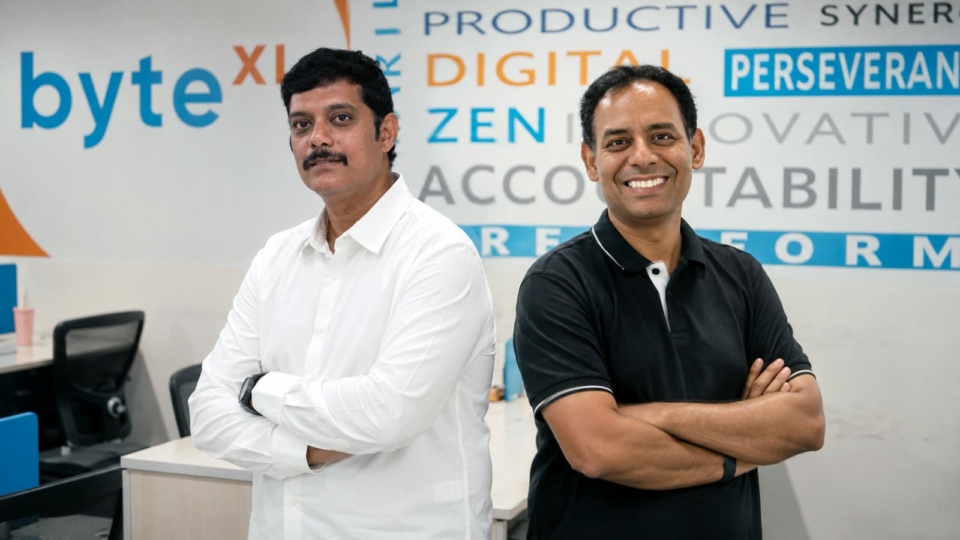
Ultimately, what grounds this investment is the journey of co-founders Karun and Sricharan Tadepalli. Karun has experienced these exact skill gaps that plague graduates firsthand, before building a two-decade tech career. Today, both bring deep domain authority to this challenge and we are proud to partner with them. Most importantly, we are excited that young adults like Saanvi now have access to an education that makes her and her family’s hustle worth it.